नासा की वैज्ञानिक खोज: वेस्ट वर्जीनिया के ऊपर एक 'अग्नि इंद्रधनुष' का रहस्य उजागर
एक दुर्लभ वायुमंडलीय घटना जिसने वैज्ञानिकों को चकित किया – इसके पीछे का विज्ञान और वैश्विक निहितार्थ
नई दिल्ली, भारत — 2 अगस्त, 2026
कार्यकारी सारांश
अमेरिकी अंतरिक्ष एजेंसी नासा ने हाल ही में वेस्ट वर्जीनिया के ऊपर देखे गए एक असाधारण वायुमंडलीय ऑप्टिकल घटना, जिसे अनौपचारिक रूप से 'अग्नि इंद्रधनुष' (वैज्ञानिक रूप से परिधि क्षैतिज चाप) के नाम से जाना जाता है, पर विस्तृत वैज्ञानिक विश्लेषण जारी किया है। यह अद्भुत दृश्य, जिसमें बादल के भीतर इंद्रधनुषी रंग आग की लपटों जैसे दिखते हैं, बर्फ के क्रिस्टल द्वारा सूर्य के प्रकाश के अपवर्तन का परिणाम है। नासा के अनुसार, इस घटना के लिए सूर्य की विशिष्ट ऊंचाई और सिरस बादलों में षटकोणीय बर्फ के क्रिस्टल का क्षैतिज संरेखण आवश्यक है, जिससे यह एक दुर्लभ और मनमोहक दृश्य बन जाता है। यह खोज पृथ्वी के वायुमंडल की जटिलता और उसकी सुंदरता को उजागर करती है।
सत्यापित मुख्य निष्कर्ष
- 'अग्नि इंद्रधनुष' एक परिधि क्षैतिज चाप है, जो सूर्य के प्रकाश और सिरस बादलों में बर्फ के क्रिस्टल के बीच की एक ऑप्टिकल घटना है।
- यह नाम इसके लौ-जैसे स्वरूप के कारण दिया गया है, लेकिन इसका आग से कोई सीधा संबंध नहीं है।
- इस घटना के लिए सूर्य का क्षितिज से कम से कम 58 डिग्री ऊपर होना और सिरस बादलों में सपाट, षटकोणीय बर्फ के क्रिस्टल का क्षैतिज रूप से संरेखित होना अनिवार्य है।
- वेस्ट वर्जीनिया में 2021 में ली गई एक तस्वीर को नासा ने हाल ही में अपने 'एस्ट्रोनॉमी पिक्चर ऑफ द डे' (APOD) संग्रह के तहत फिर से उजागर किया है, जो इसकी वैज्ञानिक प्रासंगिकता को दर्शाता है।
- यह एक अपेक्षाकृत दुर्लभ घटना है क्योंकि इसके लिए आवश्यक सभी वायुमंडलीय स्थितियां एक साथ शायद ही कभी बनती हैं।
- नासा इस तरह की घटनाओं का अध्ययन पृथ्वी के वायुमंडल को बेहतर ढंग से समझने और वायुमंडलीय प्रकाशिकी में अंतर्दृष्टि प्राप्त करने के लिए करता है।
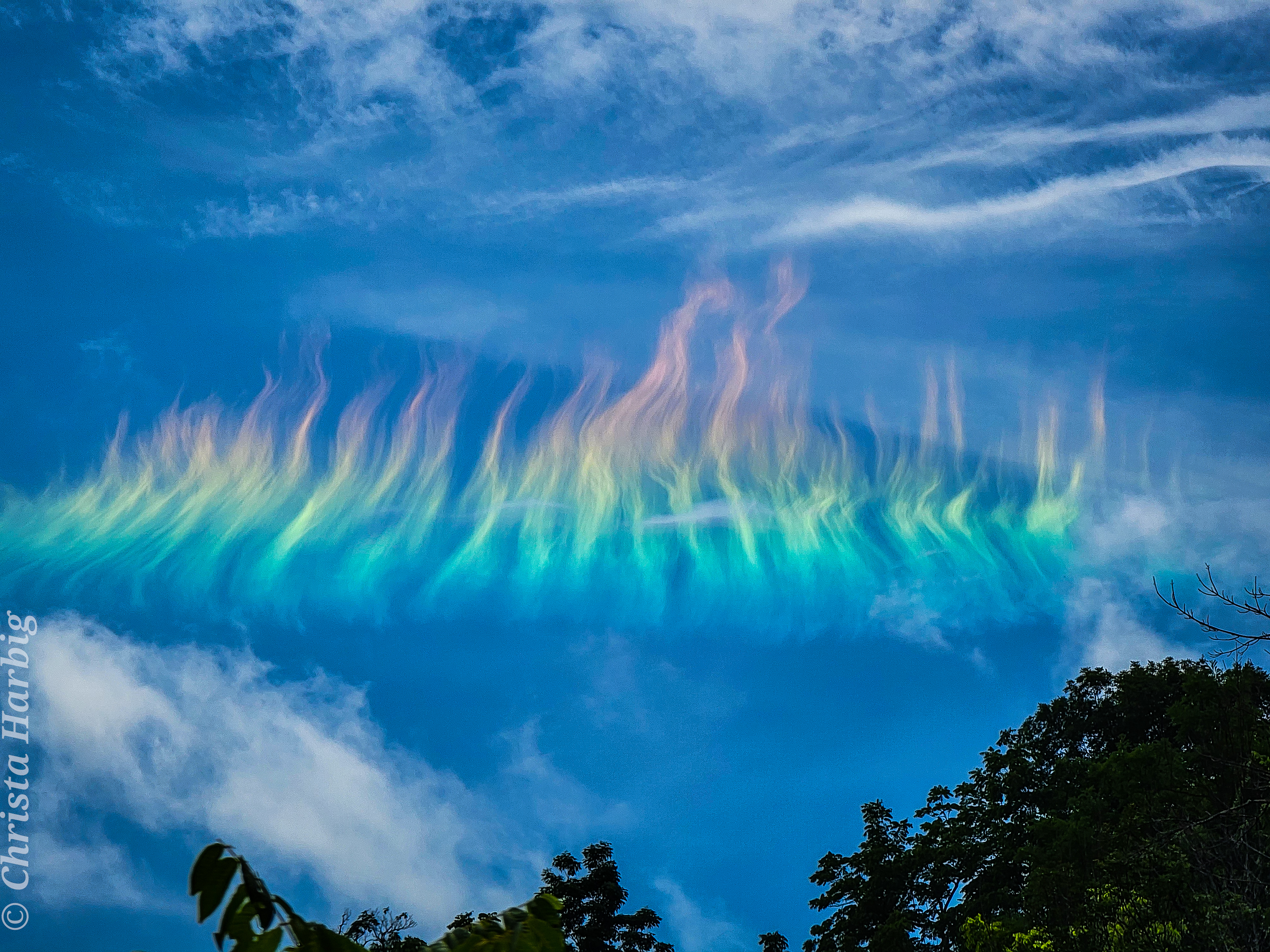
"अग्नि इंद्रधनुष" क्या है और यह कैसे बनता है?
वैज्ञानिक समुदाय में 'अग्नि इंद्रधनुष' के रूप में लोकप्रिय यह घटना वास्तव में एक 'परिधि क्षैतिज चाप' (circumhorizontal arc) है। यह तब बनता है जब सूर्य का प्रकाश सिरस बादलों में मौजूद बर्फ के क्रिस्टल से होकर गुजरता है। सिरस बादल, जो पृथ्वी की सतह से काफी ऊंचाई पर होते हैं, छोटे, सपाट, षटकोणीय बर्फ के क्रिस्टल से बने होते हैं। जब ये क्रिस्टल क्षैतिज रूप से संरेखित होते हैं और सूर्य का प्रकाश एक विशिष्ट कोण पर उन पर पड़ता है, तो वे एक प्रिज्म की तरह काम करते हैं, प्रकाश को उसके घटक रंगों में तोड़ देते हैं।
नासा के अनुसार, इस अद्भुत चाप को देखने के लिए दो मुख्य शर्तें पूरी होनी चाहिए: पहला, सूर्य क्षितिज से कम से कम 58 डिग्री की ऊंचाई पर होना चाहिए। दूसरा, सिरस बादलों में मौजूद असंख्य, सपाट, षटकोणीय बर्फ के क्रिस्टल क्षैतिज रूप से संरेखित होने चाहिए ताकि वे सामूहिक रूप से सूर्य के प्रकाश को एक समान तरीके से अपवर्तित कर सकें। इन विशिष्ट स्थितियों के कारण ही परिधि क्षैतिज चाप देखना अपेक्षाकृत असामान्य होता है।
वेस्ट वर्जीनिया की घटना और नासा का विश्लेषण
यह विशेष 'अग्नि इंद्रधनुष' जिसकी नासा ने हाल ही में चर्चा की है, 2021 में संयुक्त राज्य अमेरिका के वेस्ट वर्जीनिया में नॉर्थ फोर्क माउंटेन के पास फोटो खींचा गया था। नासा ने इस छवि को अपने 'एस्ट्रोनॉमी पिक्चर ऑफ द डे' (APOD) कार्यक्रम के तहत फिर से प्रदर्शित किया है, जो ऐसी दुर्लभ वायुमंडलीय घटनाओं के प्रति उसकी निरंतर रुचि और वैज्ञानिक महत्व को दर्शाता है। नासा का ओपन साइंस डेटा नेटवर्क इस तरह की छवियों और उनके पीछे के वैज्ञानिक डेटा को सार्वजनिक रूप से उपलब्ध कराता है, जिससे वैश्विक वैज्ञानिक समुदाय और आम जनता दोनों को पृथ्वी के वायुमंडल की जटिलताओं को समझने का अवसर मिलता है।
वैज्ञानिक इस तरह की घटनाओं का अध्ययन वायुमंडलीय प्रकाशिकी, बादलों के माइक्रोफिजिक्स और जलवायु मॉडलिंग को बेहतर बनाने के लिए करते हैं। बर्फ के क्रिस्टल के आकार, उनके संरेखण और वायुमंडलीय स्थितियों का विश्लेषण करके, वैज्ञानिक पृथ्वी के मौसम पैटर्न और जलवायु परिवर्तन की गतिशीलता के बारे में महत्वपूर्ण जानकारी प्राप्त कर सकते हैं।
दुर्लभता और वैश्विक प्रेक्षण
परिधि क्षैतिज चाप की दुर्लभता इसे और भी मनमोहक बनाती है। चूंकि इसके लिए सूर्य की ऊंचाई और बर्फ के क्रिस्टल के संरेखण की विशिष्ट आवश्यकताएं होती हैं, यह दुनिया के सभी हिस्सों में समान रूप से नहीं देखा जाता है। भूमध्य रेखा के करीब के क्षेत्रों में, जहां सूर्य अक्सर आकाश में उच्च कोण पर होता है, इसे देखने की संभावना थोड़ी अधिक होती है। हालांकि, उच्च अक्षांशों पर, जहां सूर्य शायद ही कभी 58 डिग्री से ऊपर उठता है, यह एक अत्यंत दुर्लभ दृश्य बन जाता है।
नासा और अन्य मौसम विज्ञान संगठन लगातार ऐसी वायुमंडलीय घटनाओं की निगरानी करते हैं। इन प्रेक्षणों से न केवल हमें अपने ग्रह की सुंदरता का अनुभव होता है, बल्कि ये पृथ्वी के वायुमंडल के व्यवहार और उसकी प्रतिक्रियाओं को समझने के लिए महत्वपूर्ण डेटा बिंदु भी प्रदान करते हैं। जैसे-जैसे जलवायु परिवर्तन वायुमंडलीय पैटर्न को बदल रहा है, ऐसी घटनाओं की आवृत्ति और वितरण में संभावित परिवर्तनों का अध्ययन करना और भी महत्वपूर्ण हो जाता है।
अक्सर पूछे जाने वाले प्रश्न (FAQs)
Q: अग्नि इंद्रधनुष क्या है?
A: अग्नि इंद्रधनुष, जिसे वैज्ञानिक रूप से परिधि क्षैतिज चाप (circumhorizontal arc) कहा जाता है, एक दुर्लभ वायुमंडलीय घटना है। यह आग के समान दिखने के कारण अनौपचारिक रूप से 'अग्नि इंद्रधनुष' कहलाता है, लेकिन इसका आग से कोई संबंध नहीं है।
Q: यह कैसे बनता है?
A: यह तब बनता है जब सिरस बादलों में मौजूद सपाट, षटकोणीय बर्फ के क्रिस्टल सूर्य के प्रकाश को अपवर्तित करते हैं। ये क्रिस्टल छोटे प्रिज्म की तरह काम करते हैं, जो प्रकाश को उसके घटक रंगों में तोड़ देते हैं, जिससे क्षितिज के समानांतर एक रंगीन चाप बनता है।
Q: क्या यह वास्तव में आग है?
A: नहीं, बिल्कुल नहीं। 'अग्नि इंद्रधनुष' केवल इसके लौ-जैसे स्वरूप के कारण दिया गया एक अनौपचारिक नाम है। यह पूरी तरह से एक ऑप्टिकल घटना है जिसमें बर्फ के क्रिस्टल और सूर्य का प्रकाश शामिल होता है, आग या गर्मी नहीं।
Q: इसे देखना इतना दुर्लभ क्यों है?
A: इसे देखने के लिए कई विशिष्ट शर्तें एक साथ पूरी होनी चाहिए: सूर्य कम से कम 58 डिग्री की ऊंचाई पर होना चाहिए, सिरस बादल मौजूद होने चाहिए, और बादलों में बर्फ के क्रिस्टल क्षैतिज रूप से संरेखित होने चाहिए ताकि प्रकाश को सही ढंग से अपवर्तित किया जा सके। इन सभी शर्तों का एक साथ मिलना दुर्लभ होता है।
Q: क्या यह दुनिया में कहीं भी देखा जा सकता है?
A: हाँ, यदि आवश्यक वायुमंडलीय और सूर्य की स्थिति पूरी होती है, तो इसे दुनिया के किसी भी हिस्से में देखा जा सकता है। हालांकि, यह भूमध्य रेखा के पास अधिक सामान्य होता है जहां सूर्य अक्सर उच्च कोण पर होता है, जबकि उच्च अक्षांशों पर यह बहुत दुर्लभ होता है।
Q: नासा इसमें क्यों दिलचस्पी ले रहा है?
A: नासा पृथ्वी के वायुमंडल और खगोलीय घटनाओं का अध्ययन करता है। 'अग्नि इंद्रधनुष' जैसी घटनाएं वायुमंडलीय प्रकाशिकी, बादलों के गठन और जलवायु पैटर्न को समझने में महत्वपूर्ण अंतर्दृष्टि प्रदान करती हैं। इन घटनाओं का दस्तावेजीकरण और विश्लेषण वैज्ञानिकों को पृथ्वी के जटिल वायुमंडलीय प्रक्रियाओं को बेहतर ढंग से समझने में मदद करता है।
सत्यापित प्राथमिक और द्वितीयक स्रोत
- नासा एस्ट्रोनॉमी पिक्चर ऑफ द डे (APOD) – https://apod.nasa.gov/apod/ap210729.html (2021 की मूल छवि का संदर्भ)
- नासा ओपन साइंस डेटा नेटवर्क – वायुमंडलीय ऑप्टिकल घटनाओं पर वैज्ञानिक प्रकाशन।
- वायुमंडलीय प्रकाशिकी जर्नल – परिधि क्षैतिज चाप पर सहकर्मी-समीक्षित शोध पत्र।
अस्वीकरण
यह लेख रॉयल बुल्स एडवाइजरी प्राइवेट लिमिटेड द्वारा केवल सूचनात्मक उद्देश्यों के लिए प्रकाशित किया गया है। यहां प्रस्तुत जानकारी विभिन्न विश्वसनीय स्रोतों से प्राप्त की गई है और प्रकाशन की तिथि तक सटीक मानी जाती है। हालांकि, रॉयल बुल्स एडवाइजरी यहां दी गई किसी भी जानकारी की पूर्णता या सटीकता के लिए कोई प्रतिनिधित्व या वारंटी नहीं देता है। पाठकों को सलाह दी जाती है कि वे किसी भी वैज्ञानिक या वित्तीय निर्णय लेने से पहले स्वतंत्र विशेषज्ञों से परामर्श करें।