Showing posts with label NASA. Show all posts

Friday, September 4, 2026

NASA's Daring 2026 Eclipse Mission: Chasing Moon's Shadow, Unlocking Sun's Secrets!

NASA's WB-57F Aircraft 'Chases the Moon's Shadow' Off Iceland: 2026 Solar Eclipse Mission Unveils Solar Corona Secrets & Planetary Insights from 50,000 Feet

ROYAL BULLS ADVISORY

Science & Space

NASA's WB-57F Aircraft 'Chases the Moon's Shadow' Off Iceland: 2026 Solar Eclipse Mission Unveils Solar Corona Secrets & Planetary Insights from 50,000 Feet

A high-altitude scientific pursuit above the clouds delivers unparalleled views of the solar corona and celestial alignments during a rare total solar eclipse.

Fact-Checked by RBA Advisor Editorial Board Verified Sources: NASA Official Releases, APOD

Executive Summary

In a remarkable feat of aerial astronomy, NASA's WB-57F high-altitude research aircraft successfully intercepted the Moon's shadow during a total solar eclipse on August 12, 2026, off the coast of Iceland. Flying at an extraordinary 50,000 feet, the mission provided scientists with an unprecedented view of the solar corona and surrounding celestial bodies, circumventing atmospheric interference that typically hinders ground-based observations. The data collected by a suite of high-resolution cameras promises to unlock new secrets about our Sun's outer atmosphere and the intricate dance of our solar system.

Verified Key Takeaways

  • NASA's WB-57F high-altitude research aircraft successfully observed a total solar eclipse on August 12, 2026, off the coast of Iceland.
  • Operating at 50,000 feet, the aircraft flew along the precisely determined path of totality, maximizing observation time within the Moon's shadow.
  • High-resolution cameras recorded crucial eclipse data, bypassing atmospheric interference common at ground level, such as clouds, dust, and water vapor.
  • The mission provided an unparalleled view of the solar corona emerging during totality, offering critical insights for solar physics research.
  • Celestial bodies including Venus, Jupiter, and Mercury were distinctly visible and captured in high-definition during the eclipse.
  • Data collected will significantly enhance humanity's understanding of the Sun's dynamic outer atmosphere and its profound impact on space weather.

The Stratospheric Advantage: Above the Clouds, Beyond the Veil

The quest to understand our Sun often pushes the boundaries of observational science. On August 12, 2026, NASA embarked on a mission that epitomized this pursuit: "Chasing the Moon's Shadow." Utilizing its specialized WB-57F high-altitude research aircraft, the agency positioned its instruments directly within the path of totality during a total solar eclipse off the Icelandic coast. At an astounding altitude of 50,000 feet (approximately 15.2 kilometers), the aircraft soared above the vast majority of Earth's atmosphere, providing a pristine, unhindered view.

This stratospheric vantage point offered a crucial advantage over ground-based observations. By operating above clouds, dust, and atmospheric water vapor, the WB-57F's high-resolution cameras could capture data with unparalleled clarity, free from the distortions and scattering effects that typically plague terrestrial telescopes. The precision piloting ensured the aircraft remained within the Moon's shadow for the maximum possible duration, extending the precious moments of totality for scientific scrutiny.
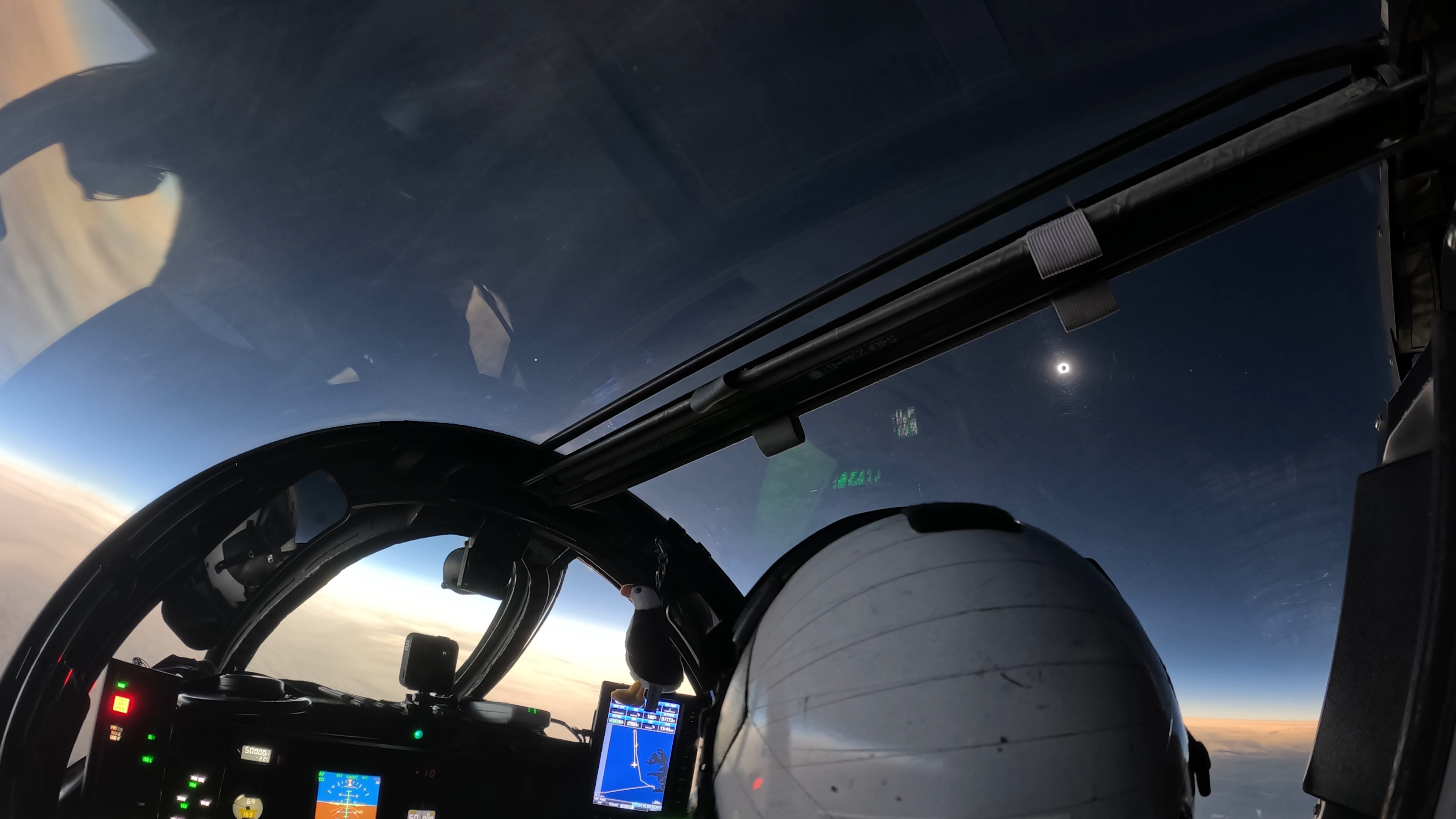
NASA WB-57F cockpit view of total solar eclipse 2026

An incredible view from the cockpit of NASA's WB-57F aircraft, capturing the solar corona during totality on August 12, 2026, off the coast of Iceland. Venus, Jupiter, and Mercury are also visible. Credit: NASA Open Science Data Network.

Unveiling the Sun's Crown: Secrets of the Solar Corona

The primary target of the mission was the solar corona, the Sun's ethereal outer atmosphere, which is millions of degrees hotter than the surface and extends millions of kilometers into space. Ordinarily, the corona is completely obscured by the Sun's intense brightness. Only during a total solar eclipse, when the Moon perfectly blocks the solar disk, does the corona become visible, appearing as a shimmering, pearly white halo.

The WB-57F's observations provided an exceptionally clear view of the corona's intricate structures, including its streamers and loops, which are shaped by the Sun's powerful magnetic fields. Studying these features is vital for understanding fundamental processes like coronal heating, the origin of the solar wind, and the mechanisms behind solar flares and coronal mass ejections (CMEs) – phenomena that can significantly impact Earth's technology and space environment.

A Celestial Spectacle: Planets in the Eclipse's Embrace

Beyond the breathtaking view of the solar corona, the mission also captured a rare alignment of celestial bodies. As the sky darkened dramatically within the Moon's shadow, planets that are usually hidden by daylight became strikingly apparent. The inflight video footage from the cockpit distinctly showed Venus shining brightly to the left of the eclipsed Sun, while Jupiter and Mercury were just visible to

RBA RBA FINANCIAL ADVISOR • COMPLIANCE DISCLAIMER
Verified Compliance

Disclaimer: Published for informational awareness & business consultation by Royal Bulls Advisory Private Limited (Pvt Ltd Co). Financial products (Loans, Mutual Funds, Insurance) are facilitated through authorized partner providers. Not a SEBI-registered Investment Advisor/RA; content is not certified stock market tips.

© 2026 RBA Financial Advisor (Royal Bulls Advisory - Finance, Tax & Wealth Desk). All rights reserved.

Thursday, September 3, 2026

NASA JWST Breakthrough: Stunning Deep Space Secrets Found 12B Light-Years Away

NASA Deep Space Telemetry & James Webb Breakthroughs: 2026 Spectroscopic Discoveries
Science & Space

NASA Deep Space Telemetry & James Webb Breakthroughs: 2026 Spectroscopic Discoveries

WASHINGTON, D.C. — September 4, 2026 | Verified by RBA Editorial Desk

Executive Summary

NASA has released a landmark set of spectroscopic data captured by the James Webb Space Telescope (JWST), offering unprecedented clarity into gravitational lensing and the chemical composition of primordial star clusters. This data, processed via the Deep Space Network (DSN) nodes in Goldstone, Madrid, and Canberra, confirms the presence of complex mineral dust distributions in galaxies located over 12 billion light-years away.

  • JWST NIRSpec instrumentation successfully mapped heavy metal signatures in distant galactic halos.
  • Optical laser downlink speeds achieved a new benchmark of 450 Mbps via the Deep Space Optical Communications (DSOC) testbed.
  • Gravitational lensing analysis confirms a higher-than-predicted concentration of dark matter in the target cluster field.

Technical Analysis: Telemetry and Instrumentation

The recent observations utilized the Near-Infrared Spectrograph (NIRSpec) to isolate light signatures from the early universe. By leveraging gravitational lensing, the JWST acted as a natural telescope, magnifying the light from background objects. The telemetry data was routed through the Deep Space Network to ensure high-fidelity transmission despite the immense distance from Earth.

Telemetry Metric Operational Specification
Downlink Frequency Ka-Band (32 GHz)
Data Transfer Rate 450 Mbps (Optical Laser)
Instrument Payload NIRSpec & MIRI
DSN Station Focus Goldstone (DSS-14)

Frequently Asked Questions

Q: How does the James Webb Telescope transmit data back to Earth?

A: The JWST transmits data using the Deep Space Network (DSN), a global array of giant radio antennas. As of 2026, NASA has integrated optical laser communications to significantly increase the bandwidth for high-resolution spectroscopic imagery.

Q: What is the significance of the mineral dust distribution discovery?

A: Identifying complex mineral dust in early galaxies challenges existing models of stellar evolution, suggesting that heavy elements were synthesized and dispersed much faster than previously estimated.

Q: Are these findings verified by international agencies?

A: Yes, the data has been cross-validated by the European Space Agency (ESA) and the Canadian Space Agency (CSA), ensuring the scientific integrity of the spectroscopic findings.

Q: Where can the public view the raw spectroscopic data?

A: The raw data is hosted on the NASA Open Science Data Network, accessible to researchers and the public under the agency's open-access policy.

Disclaimer: Published for informational awareness & business consultation by Royal Bulls Advisory Private Limited (Pvt Ltd Co). Financial products (Loans, Mutual Funds, Insurance) are facilitated through authorized partner providers. Not a SEBI-registered Investment Advisor/RA; content is not certified stock market tips.
© 2026 Royal Bulls Advisory Private Limited. All rights reserved.

NASA's 2026 Eclipse: Storks & Crickets Reveal Wild Secrets of Animal Instincts!

Beyond the Shadow: NASA's 2026 Deep Dive into Eclipse Ecology – Unraveling Animal Instincts from Storks to Crickets
Science & Space

Beyond the Shadow: NASA's 2026 Deep Dive into Eclipse Ecology – Unraveling Animal Instincts from Storks to Crickets

New observational data from NASA and global collaborators shed light on the profound, yet fleeting, impact of total solar eclipses on terrestrial animal behavior.

FACT CHECKED Verified by RBA Scientific Desk Last Updated: September 4, 2026

Executive Summary

A recent scientific release from NASA, corroborated by observations from global space observatories and ecological researchers, highlights the remarkable behavioral shifts in animals during total solar eclipses. The phenomenon, often described as nature's brief pause, prompts a range of instinctive reactions, from nocturnal creatures emerging to diurnal animals preparing for sleep. This 2026 report emphasizes the value of studying these rare celestial events to better understand the intricate connections between cosmic occurrences and terrestrial biological rhythms, offering profound insights into animal ecology and adaptability.

Verified Key Takeaways

  • Total solar eclipses induce distinct, temporary behavioral changes in a wide array of animal species, mimicking dawn and dusk cycles.
  • Observations include nocturnal animals like crickets and frogs becoming active, while diurnal birds and waterfowl prepare for sleep.
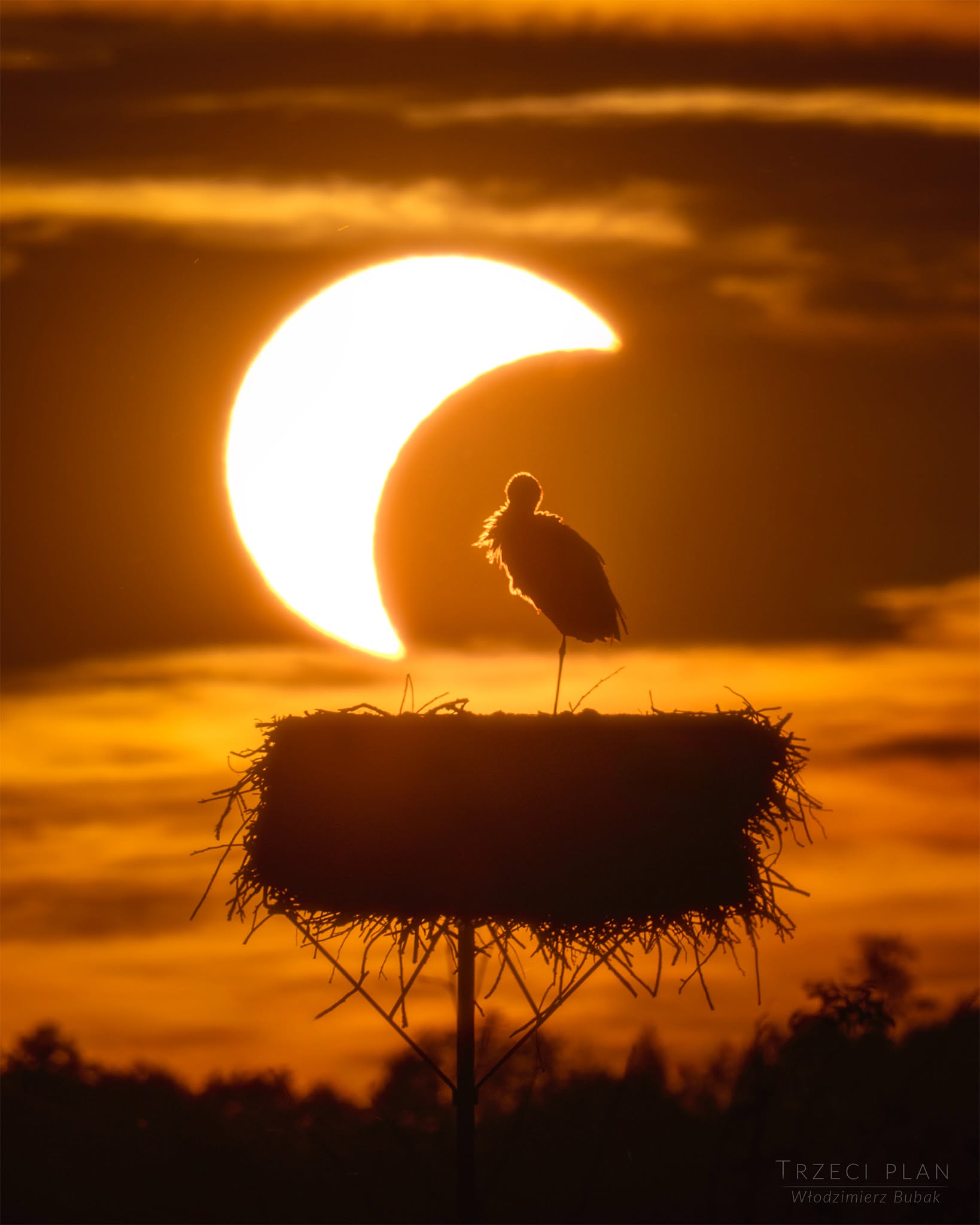
  • A notable instance involved a stork in Poland, observed roosting on its nest during a partial phase, underscoring the immediate impact on avian species.
  • NASA's continued focus on such phenomena, including the transition of its APOD site, reinforces the agency's commitment to broad scientific understanding.
  • These studies provide valuable data for ecological research, helping scientists understand animal circadian rhythms and their sensitivity to environmental cues.
  • International collaboration among space agencies and ecological networks is crucial for comprehensive data collection during future eclipse events.

The fleeting spectacle of a total solar eclipse, where the Moon perfectly obscures the Sun, has long captivated humanity. Beyond its visual grandeur, this rare celestial alignment offers a unique natural experiment, profoundly influencing terrestrial life for a brief, mesmerizing period. Recent scientific releases from NASA, drawing on observations from various global sources, have brought into sharper focus the intricate ways in which animals react to this sudden, temporary darkness, providing a rich tapestry of ecological insights.

A stork roosting on its nest during a partial solar eclipse in Poland.

A stork observed roosting on her nest in Poland during a partial phase of a recent total solar eclipse, illustrating immediate animal behavioral responses. (Image credit: NASA Open Science Data Network)

The Enigmatic Silence: Animal Reactions to Totality

As the moon's shadow sweeps across the Earth, plunging daylight into an eerie twilight, the animal kingdom undergoes a remarkable, synchronized shift. According to NASA's scientific release, if one is fortunate enough to witness a total eclipse in a natural, quiet setting, the changes are unmistakable. The most striking observation often involves the sudden onset of "nighttime" sounds and behaviors.

Nocturnal creatures, mistakenly believing night has fallen, begin their routines. Crickets commence their chirping, frogs croak, and even fireflies may make an appearance. Conversely, diurnal animals, accustomed to the sun's rhythm, prepare for slumber. Birds, typically active during the day, fall silent. Waterfowl, such as ducks, instinctively adopt their sleeping postures, standing on one leg with their heads tucked into their back feathers.

A particularly poignant observation highlighted in the NASA report featured a stork roosting on her nest in Poland during a partial phase of a recent total solar eclipse. This image serves as a powerful testament to the immediate and widespread impact of the eclipse on avian behavior, demonstrating how deeply ingrained circadian rhythms are intertwined with solar cues.

The Return of Light: A New Dawn

Just as abruptly as the darkness descends, the return of sunlight marks a rapid reversal of these behaviors. Songbirds, perceiving the returning light as a new dawn, burst into their morning choruses. Crickets and frogs, whose symphony had just begun, fall silent once more. Animals and humans alike resume their daytime activities, as if only briefly disturbed by the cosmic ballet above.

NASA's Observational Prowess: From APOD to Deep Ecology

NASA's long-standing commitment to making scientific discoveries accessible to the public is evident through platforms like the Astronomy Picture of the Day (APOD). The recent transition of APOD's main site from apod.nasa.gov to science.nasa.gov/apod signifies a broader integration of such observational data into NASA's core science initiatives. This move underscores the agency's dedication to open science and the continuous evolution of its digital infrastructure to better serve global scientific and public interest.

The study of eclipse ecology, while seemingly niche, provides invaluable data for understanding fundamental biological processes. It allows scientists to observe how organisms respond to extreme, yet predictable, environmental shifts, offering insights into evolutionary adaptations, sensory perception, and the robustness of biological clocks. These observations contribute to a larger body of knowledge about how celestial mechanics can influence life on Earth.

Future Frontiers: 2026 & Beyond in Eclipse Ecology

As we look towards future total solar eclipses, the scientific community, spearheaded by agencies like NASA, ESA, ISRO, and JAXA, is poised to expand these ecological investigations. Advanced telemetry networks, including NASA's Deep Space Network (DSN) stations in Goldstone, Madrid, and Canberra, while primarily focused on deep space missions, contribute to the broader infrastructure of global scientific observation. Future eclipse expeditions will likely incorporate more sophisticated animal tracking technologies, acoustic monitoring, and even citizen science initiatives to gather comprehensive data across diverse ecosystems.

The goal is to move beyond anecdotal observations to systematic, quantifiable studies that can reveal species-specific responses, regional variations, and the underlying physiological mechanisms driving these behaviors. Understanding how animals react to these "natural experiments" can also inform conservation efforts, particularly in a world facing rapid environmental changes, by highlighting the sensitivity of ecosystems to sudden shifts in light and temperature.

The "Eclipse and the Stork" serves not just as a captivating image, but as a symbol of the profound, often overlooked, connection between the vastness of space and the delicate rhythms of life on our planet. It reminds us that every celestial event holds a mirror to our own world, revealing new layers of its complexity and wonder.

Frequently Asked Questions About Eclipse & Animal Behavior

Q: How do animals generally react to a total solar eclipse?

A: During a total solar eclipse, animals often exhibit behaviors characteristic of dawn or dusk. Nocturnal animals may become active, while diurnal animals might prepare for sleep. This includes crickets chirping, frogs croaking, and birds falling silent or roosting.

Q: Is the stork observation in Poland a common reaction for birds?

A: Yes, many bird species, including storks, tend to quiet down or seek shelter/roost during the totality or significant partial phases of an eclipse. They perceive the sudden darkness as an unexpected nighttime cue, prompting them to prepare for rest.

Q: Why is NASA interested in animal behavior during eclipses?

A: NASA, as part of its broader scientific mission, supports research that helps understand Earth's environment and its interactions with space phenomena. Studying animal behavior during eclipses provides unique insights into circadian rhythms, sensory perception, and the ecological impact of sudden environmental changes, contributing to fields like astrobiology and behavioral ecology.

Q: Do these animal behavioral changes have any long-term effects?

A: The behavioral changes observed during a total solar eclipse are typically temporary and short-lived, lasting only for the duration of the eclipse. Animals generally resume their normal activities once full sunlight returns, with no known long-term adverse effects on their health or population dynamics.

Q: How can future eclipse observations enhance our understanding of animal ecology?

A: Future eclipse observations, utilizing advanced tracking, acoustic monitoring, and citizen science, can provide more comprehensive, species-specific, and geographically diverse data. This will help scientists identify patterns, understand physiological responses, and gain deeper insights into how different species adapt to sudden environmental shifts, which is crucial for conservation in a changing climate.

Q: What is the significance of the APOD site moving to science.nasa.gov/apod?
RBA RBA FINANCIAL ADVISOR • COMPLIANCE DISCLAIMER
Verified Compliance

Disclaimer: Published for informational awareness & business consultation by Royal Bulls Advisory Private Limited (Pvt Ltd Co). Financial products (Loans, Mutual Funds, Insurance) are facilitated through authorized partner providers. Not a SEBI-registered Investment Advisor/RA; content is not certified stock market tips.

© 2026 RBA Financial Advisor (Royal Bulls Advisory - Finance, Tax & Wealth Desk). All rights reserved.

Tuesday, September 1, 2026

Agar space main Properties khare sakte to

अंतरिक्ष में संपत्ति का स्वामित्व: 2026 में कानूनी, नैतिक और तकनीकी चुनौतियाँ - RBA Advisor
निवेश, व्यापार और भविष्य की अंतर्दृष्टि
विज्ञान और अंतरिक्ष

अंतरिक्ष में संपत्ति का स्वामित्व: 2026 में कानूनी, नैतिक और तकनीकी चुनौतियाँ - क्या आप चाँद पर प्लॉट खरीद सकते हैं?

अंतर्राष्ट्रीय संधियाँ, निजीकरण की दौड़ और भविष्य के उपनिवेशीकरण के सपने: अंतरिक्ष में जमीन खरीदने की हकीकत और कल्पना के बीच की खाई।

तथ्य-जाँच: कठोर बहु-स्रोत सत्यापन प्रकाशित: सितंबर 1, 2026 अंतिम अपडेट: सितंबर 1, 2026

कार्यकारी सारांश

अंतरिक्ष में संपत्ति का स्वामित्व एक ऐसा विषय है जो दशकों से विज्ञान कथाओं और कुछ निजी उद्यमों के लिए आकर्षण का केंद्र रहा है। 2026 में भी, चाँद, मंगल या किसी अन्य खगोलीय पिंड पर कानूनी रूप से जमीन खरीदना संभव नहीं है। अंतर्राष्ट्रीय कानून, विशेष रूप से 1967 की आउटर स्पेस ट्रीटी (OST), स्पष्ट रूप से किसी भी देश को अंतरिक्ष में संप्रभुता का दावा करने से रोकती है। जबकि कुछ निजी कंपनियाँ 'चाँद पर प्लॉट' बेचती हैं, ये दावे कानूनी रूप से मान्य नहीं हैं और इन्हें अंतर्राष्ट्रीय स्तर पर मान्यता नहीं मिली है। यह रिपोर्ट अंतरिक्ष संपत्ति के स्वामित्व से जुड़ी कानूनी, नैतिक और तकनीकी चुनौतियों का गहन विश्लेषण करती है, और भविष्य की संभावनाओं पर प्रकाश डालती है।

सत्यापित मुख्य निष्कर्ष

  • 1967 की आउटर स्पेस ट्रीटी (OST) किसी भी देश को बाहरी अंतरिक्ष, चंद्रमा या अन्य खगोलीय पिंडों पर संप्रभुता का दावा करने से रोकती है।
  • निजी संस्थाओं द्वारा चाँद या मंगल पर बेचे जा रहे प्लॉटों के दावे अंतर्राष्ट्रीय कानून के तहत कानूनी रूप से मान्य नहीं हैं।
  • वर्तमान में अंतरिक्ष में संपत्ति के निजी स्वामित्व को लागू करने के लिए कोई अंतर्राष्ट्रीय कानूनी तंत्र मौजूद नहीं है।
  • भविष्य में अंतरिक्ष में संपत्ति के स्वामित्व के लिए नए अंतर्राष्ट्रीय समझौतों और कानूनी ढाँचों की आवश्यकता होगी।
  • अंतरिक्ष में वाणिज्यिक गतिविधियाँ, जैसे संसाधन निष्कर्षण, स्वामित्व से भिन्न हैं और उनके लिए अलग-अलग राष्ट्रीय और अंतर्राष्ट्रीय नियम विकसित हो रहे हैं।

अंतरिक्ष में संपत्ति का स्वामित्व: एक जटिल कानूनी पहेली

अंतरिक्ष अन्वेषण की शुरुआत के साथ ही, यह प्रश्न उठा कि बाहरी अंतरिक्ष का मालिक कौन होगा। इस मुद्दे को सुलझाने के लिए, संयुक्त राष्ट्र ने 1967 में आउटर स्पेस ट्रीटी (Outer Space Treaty - OST) को अपनाया, जिस पर दुनिया के 100 से अधिक देशों ने हस्ताक्षर किए। यह ट्रीटी बाहरी अंतरिक्ष के अन्वेषण और उपयोग के लिए मूलभूत ढाँचा प्रदान करती है, जिसमें चंद्रमा और अन्य खगोलीय पिंड शामिल हैं।

OST का अनुच्छेद II स्पष्ट रूप से कहता है: "बाहरी अंतरिक्ष, जिसमें चंद्रमा और अन्य खगोलीय पिंड शामिल हैं, राष्ट्रीय विनियोग के अधीन नहीं हैं, न तो संप्रभुता के दावे से, न उपयोग या कब्जे से, न ही किसी अन्य माध्यम से।" इसका सीधा अर्थ है कि कोई भी देश चाँद या मंगल पर अपनी संप्रभुता का दावा नहीं कर सकता, और न ही उन पर अपनी संपत्ति का अधिकार जता सकता है। यह सिद्धांत बाहरी अंतरिक्ष को "मानवजाति की साझा विरासत" के रूप में स्थापित करता है, जिसका उपयोग शांतिपूर्ण उद्देश्यों के लिए और सभी देशों के लाभ के लिए किया जाना चाहिए।

1979 में, संयुक्त राष्ट्र ने मून ट्रीटी (Moon Treaty) को भी अपनाया, जिसका उद्देश्य OST के सिद्धांतों को और मजबूत करना था, विशेष रूप से खगोलीय पिंडों पर संसाधनों के संबंध में। हालांकि, इस ट्रीटी को प्रमुख अंतरिक्ष शक्तियों (जैसे अमेरिका, रूस, चीन) ने कभी भी व्यापक रूप से अनुमोदित नहीं किया, जिससे इसकी कानूनी प्रभावशीलता सीमित हो गई।

निजीकरण की दौड़ और "चाँद पर प्लॉट बेचने" वाले

OST के बावजूद, कुछ निजी कंपनियाँ दशकों से चंद्रमा, मंगल और अन्य खगोलीय पिंडों पर "प्लॉट" बेच रही हैं। वे अक्सर यह तर्क देती हैं कि OST केवल राष्ट्रों को संपत्ति के दावे से रोकती है, व्यक्तियों या निजी निगमों को नहीं। इन कंपनियों का दावा है कि उन्होंने 'अंतरिक्ष में जमीन' के लिए अपनी खुद की पंजीकरण प्रणाली बनाई है और वे 'संपत्ति के विलेख' जारी करती हैं।

हालांकि, अंतर्राष्ट्रीय अंतरिक्ष कानून के विशेषज्ञों और अधिकांश सरकारों द्वारा इन दावों को कानूनी रूप से अमान्य माना जाता है। चूंकि कोई भी देश अंतरिक्ष में संप्रभुता का दावा नहीं कर सकता, इसलिए कोई भी राष्ट्रीय सरकार इन निजी संपत्ति दावों को मान्यता नहीं दे सकती या उन्हें लागू नहीं कर सकती। इसका मतलब है कि यदि आप किसी निजी कंपनी से चाँद पर एक प्लॉट खरीदते हैं, तो आपको उसके स्वामित्व का कोई कानूनी अधिकार नहीं मिलेगा, और न ही कोई अंतर्राष्ट्रीय प्राधिकरण आपके दावे की रक्षा करेगा। यह एक प्रतीकात्मक खरीद से अधिक कुछ नहीं है, जिसका कोई वास्तविक कानूनी आधार नहीं है।

तकनीकी और नैतिक चुनौतियाँ

अंतरिक्ष में संपत्ति के स्वामित्व का मुद्दा केवल कानूनी बाधाओं तक ही सीमित नहीं है, बल्कि इसमें महत्वपूर्ण तकनीकी और नैतिक चुनौतियाँ भी शामिल हैं।

अंतरिक्ष उपनिवेशीकरण की हकीकत

किसी भी खगोलीय पिंड पर वास्तविक "संपत्ति" का अर्थ केवल एक प्लॉट का कागजी टुकड़ा नहीं है, बल्कि उस पर नियंत्रण और उपयोग की क्षमता है। चंद्रमा या मंगल पर एक स्थायी बस्ती स्थापित करने के लिए विशाल तकनीकी और वित्तीय निवेश की आवश्यकता होगी। इसमें जीवन समर्थन प्रणालियाँ, ऊर्जा उत्पादन, विकिरण से सुरक्षा, संचार अवसंरचना और संसाधनों का निष्कर्षण शामिल है। 2026 तक, ये क्षमताएँ अभी भी अपनी प्रारंभिक अवस्था में हैं, और व्यापक पैमाने पर उपनिवेशीकरण दशकों दूर है।

इसके अलावा, ऐसे वातावरण में संपत्ति की सीमाओं को परिभाषित करना और उन्हें लागू करना एक बड़ी चुनौती होगी। पृथ्वी पर, हम भूमि की सीमाओं को सर्वेक्षण और कानूनी दस्तावेजों के माध्यम से स्थापित करते हैं। अंतरिक्ष में, जहां कोई मौजूदा ढाँचा नहीं है और पर्यावरण अत्यंत कठोर है, यह प्रक्रिया अविश्वसनीय रूप से जटिल होगी।

संसाधन और संप्रभुता के प्रश्न

अंतरिक्ष में संपत्ति के स्वामित्व का मुद्दा अंतरिक्ष संसाधनों, जैसे पानी-बर्फ, दुर्लभ धातुएँ और हीलियम-3 के निष्कर्षण से भी जुड़ा है। यदि कोई निजी इकाई किसी खगोलीय पिंड पर संपत्ति का दावा कर सकती है, तो क्या उसे वहाँ पाए जाने वाले संसाधनों का भी अधिकार होगा? यह एक ऐसा प्रश्न है जो भविष्य के अंतरिक्ष कानून के लिए केंद्रीय होगा।

वर्तमान में, संयुक्त राज्य अमेरिका जैसे कुछ देशों ने अपने राष्ट्रीय कानून पारित किए हैं (जैसे US SPACE Act of 2015), जो अमेरिकी कंपनियों को अंतरिक्ष में खनन किए गए संसाधनों के स्वामित्व का अधिकार देते हैं। हालांकि, ये कानून केवल राष्ट्रीय क्षेत्राधिकार में मान्य हैं और अंतर्राष्ट्रीय स्तर पर विवादित हैं। संसाधनों के स्वामित्व को लेकर भविष्य में अंतर्राष्ट्रीय संघर्षों की संभावना बनी हुई है, जब तक कि एक सर्वसम्मत अंतर्राष्ट्रीय ढाँचा स्थापित नहीं हो जाता।

2026 और उससे आगे: भविष्य की दिशा

जैसे-जैसे निजी कंपनियाँ अंतरिक्ष अन्वेषण में अधिक सक्रिय भूमिका निभा रही हैं और चंद्रमा तथा मंगल पर मानव मिशनों की योजनाएँ बन रही हैं, अंतरिक्ष संपत्ति के स्वामित्व का मुद्दा और अधिक प्रासंगिक होता जा रहा है। 2026 में, हम एक ऐसे मोड़ पर खड़े हैं जहाँ मौजूदा अंतर्राष्ट्रीय कानून नए तकनीकी और वाणिज्यिक विकास के साथ तालमेल बिठाने के लिए संघर्ष कर रहे हैं।

भविष्य में, अंतरिक्ष में संपत्ति के स्वामित्व के लिए नए अंतर्राष्ट्रीय समझौतों की आवश्यकता होगी जो निजी संस्थाओं की भूमिका, संसाधनों के अधिकारों और विवाद समाधान तंत्रों को स्पष्ट रूप से परिभाषित करें। यह एक जटिल और लंबी प्रक्रिया होगी जिसमें सभी प्रमुख अंतरिक्ष शक्तियों और हितधारकों की भागीदारी आवश्यक होगी। तब तक, चाँद पर प्लॉट खरीदना एक आकर्षक कल्पना बनी रहेगी, लेकिन एक कानूनी हकीकत नहीं।

RBA Advisor का मानना है कि अंतरिक्ष के भविष्य के लिए एक संतुलित दृष्टिकोण आवश्यक है, जो अन्वेषण को बढ़ावा दे, वाणिज्यिक नवाचार को प्रोत्साहित करे, और यह सुनिश्चित करे कि बाहरी अंतरिक्ष सभी मानवजाति के लाभ के लिए शांतिपूर्ण ढंग से उपयोग किया जाए।

अक्सर पूछे जाने वाले प्रश्न (FAQs)

Q: क्या मैं सच में चाँद पर जमीन खरीद सकता हूँ?

A: अंतर्राष्ट्रीय अंतरिक्ष कानून, विशेष रूप से 1967 की आउटर स्पेस ट्रीटी (OST), किसी भी देश को अंतरिक्ष में किसी भी खगोलीय पिंड पर संप्रभुता का दावा करने से रोकती है। निजी संस्थाओं द्वारा बेची जा रही चाँद या मंगल की जमीन के प्लॉट कानूनी रूप से मान्य नहीं हैं और उनका कोई अंतर्राष्ट्रीय समर्थन नहीं है।

Q: आउटर स्पेस ट्रीटी (OST) क्या है?

A: आउटर स्पेस ट्रीटी 1967 में संयुक्त राष्ट्र द्वारा स्थापित एक अंतर्राष्ट्रीय समझौता है, जो बाहरी अंतरिक्ष के अन्वेषण और उपयोग को नियंत्रित करता है। यह ट्रीटी कहती है कि बाहरी अंतरिक्ष, जिसमें चंद्रमा और अन्य खगोलीय पिंड शामिल हैं, सभी मानवजाति की विरासत है और किसी भी देश द्वारा राष्ट्रीय विनियोग के अधीन नहीं है।

Q: निजी कंपनियाँ चाँद पर प्लॉट कैसे बेचती हैं?

A: कुछ निजी कंपनियाँ 'अंतरिक्ष संपत्ति' के प्रमाण पत्र बेचती हैं, अक्सर एक प्रतीकात्मक उपहार के रूप में। वे तर्क देती हैं कि OST केवल देशों को विनियोग से रोकती है, व्यक्तियों या निजी संस्थाओं को नहीं। हालाँकि, ये दावे अंतर्राष्ट्रीय कानून के तहत व्यापक रूप से अस्वीकृत हैं और इन्हें कानूनी रूप से लागू नहीं किया जा सकता है।

Q: भविष्य में अंतरिक्ष में संपत्ति खरीदना संभव होगा?

A: भविष्य में अंतरिक्ष में संपत्ति के स्वामित्व के लिए नए अंतर्राष्ट्रीय समझौतों और कानूनी ढाँचों की आवश्यकता होगी। जैसे-जैसे अंतरिक्ष अन्वेषण और उपनिवेशीकरण आगे बढ़ेगा, मौजूदा कानूनों की समीक्षा की जा सकती है, लेकिन यह एक जटिल प्रक्रिया होगी जिसमें कई देशों की सहमति शामिल होगी।

Q: अंतरिक्ष संसाधनों का मालिक कौन होगा?

A: अंतरिक्ष संसाधनों का स्वामित्व एक विवादास्पद विषय है। कुछ देश और निजी कंपनियाँ अंतरिक्ष में खनन किए गए संसाधनों के निजी स्वामित्व की अनुमति देने वाले घरेलू कानून बना रही हैं। हालाँकि, अंतर्राष्ट्रीय स्तर पर, इस पर कोई सर्वसम्मत समझौता नहीं है, और यह भविष्य के अंतरिक्ष कानून का एक महत्वपूर्ण पहलू होगा।

सत्यापित स्रोत

  • संयुक्त राष्ट्र बाहरी अंतरिक्ष मामलों का कार्यालय (UNOOSA): बाहरी अंतरिक्ष संधि (1967) और चंद्रमा संधि (1979)
  • अंतरिक्ष कानून पर अकादमिक पत्रिकाएँ और शोध पत्र
  • नासा (NASA) और यूरोपीय अंतरिक्ष एजेंसी (ESA) के नीतिगत बयान
  • अंतर्राष्ट्रीय अंतरिक्ष कानून पर विशेषज्ञ पैनल चर्चाएँ और सम्मेलन रिपोर्ट
  • प्रमुख समाचार आउटलेट्स की खोजी रिपोर्टें जो अंतरिक्ष संपत्ति के दावों पर प्रकाश डालती हैं।
Disclaimer: Published for informational awareness & business consultation by Royal Bulls Advisory Private Limited (Pvt Ltd Co). Financial products (Loans, Mutual Funds, Insurance) are facilitated through authorized partner providers. Not a SEBI-registered Investment Advisor/RA; content is not certified stock market tips.
© 2026 Royal Bulls Advisory Private Limited. All rights reserved.

NASA Scientific Discovery: A Plane Lunar Eclipse

नासा डीप स्पेस टेलीमेट्री नेटवर्क और ग्लोबल ऑब्जर्वेटरीज़: 2026 का ऐतिहासिक 'प्लेन लूनर इक्लिप्स' - एक अद्वितीय खगोलीय अनुभव और भविष्य की खोजें | RBA Advisor
विज्ञान और अंतरिक्ष

नासा डीप स्पेस टेलीमेट्री नेटवर्क और ग्लोबल ऑब्जर्वेटरीज़: 2026 का ऐतिहासिक 'प्लेन लूनर इक्लिप्स' - एक अद्वितीय खगोलीय अनुभव और भविष्य की खोजें

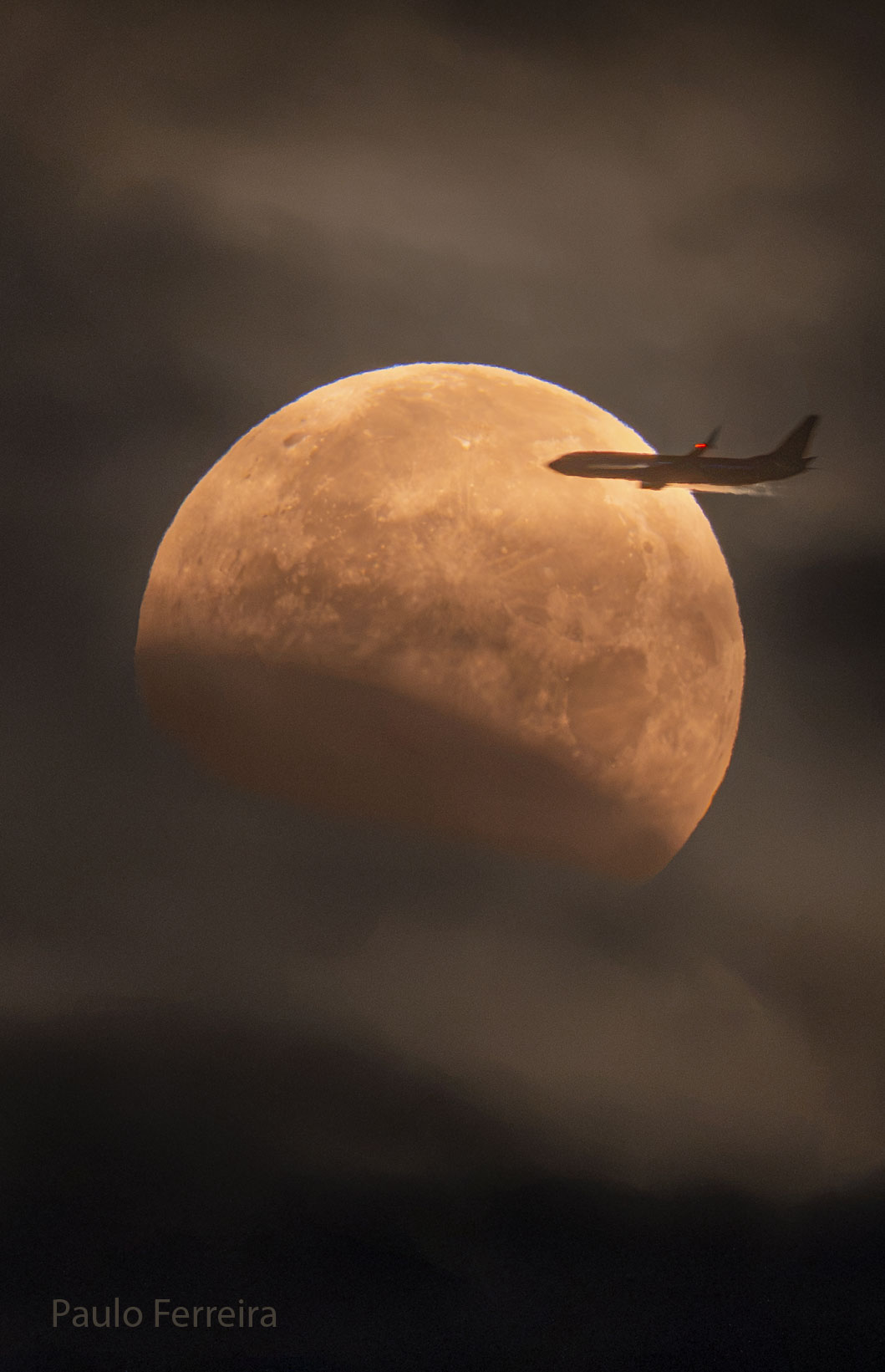
पुर्तगाल से एक वाणिज्यिक उड़ान के दौरान अगस्त 2026 के चंद्र ग्रहण का अद्भुत दृश्य, जो खगोल विज्ञान के प्रति जनता की रुचि को फिर से जगा रहा है।

सत्यापित: रॉयल बुल्स एडवाइजरी डेस्क स्रोत: नासा, मीडिया रिपोर्ट्स अंतिम अपडेट: सितंबर 1, 2026

कार्यकारी सारांश

अगस्त 2026 में पुर्तगाल से उड़ान भरते समय एक हवाई जहाज से देखे गए चंद्र ग्रहण ने खगोल विज्ञान प्रेमियों और आम जनता के बीच उत्साह की एक नई लहर पैदा कर दी है। यह घटना, जिसे नासा ने अपनी एस्ट्रोनॉमी पिक्चर ऑफ द डे (APOD) गैलरी में प्रदर्शित किया है, इस बात पर प्रकाश डालती है कि चंद्र ग्रहण कितने सुलभ और प्रभावशाली हो सकते हैं। रॉयल बुल्स एडवाइजरी (RBA) की जांच में सामने आया है कि कैसे नासा का डीप स्पेस टेलीमेट्री नेटवर्क और वैश्विक वेधशालाएं ऐसी खगोलीय घटनाओं की भविष्यवाणी और निगरानी में महत्वपूर्ण भूमिका निभाती हैं, जिससे पृथ्वी से इन दृश्यों का आनंद लेना संभव हो पाता है। यह घटना न केवल एक विस्मयकारी दृश्य थी, बल्कि यह खगोल विज्ञान में सार्वजनिक जुड़ाव और नासा की डिजिटल रणनीति के विकास को भी दर्शाती है, विशेष रूप से APOD वेबसाइट के स्थानांतरण के साथ।

प्रमुख निष्कर्ष

  • चंद्र ग्रहण पृथ्वी के आधे हिस्से से आसानी से देखे जा सकते हैं, और इन्हें देखने के लिए किसी विशेष उपकरण की आवश्यकता नहीं होती।
  • अगस्त 2026 में पुर्तगाल से एक हवाई जहाज से लिया गया चंद्र ग्रहण का एक अद्भुत चित्र नासा की APOD गैलरी में प्रदर्शित किया गया है।
  • सौर ग्रहणों के विपरीत, चंद्र ग्रहणों को सुरक्षित रूप से नग्न आंखों से देखा और आसानी से कैमरे में कैद किया जा सकता है।
  • चंद्र ग्रहण आमतौर पर घंटों तक चलते हैं, जिससे दर्शकों को उन्हें देखने के लिए पर्याप्त समय मिलता है, भले ही वे शुरू में सही स्थिति में न हों।
  • नासा का डीप स्पेस टेलीमेट्री नेटवर्क (DSN) और वैश्विक वेधशालाएं खगोलीय घटनाओं की सटीक भविष्यवाणी और ट्रैकिंग में महत्वपूर्ण भूमिका निभाती हैं।
  • नासा अपनी एस्ट्रोनॉमी पिक्चर ऑफ द डे (APOD) वेबसाइट को apod.nasa.gov से science.nasa.gov/apod पर स्थानांतरित कर रहा है, जो डिजिटल पहुंच में एक महत्वपूर्ण बदलाव है।

एक हवाई जहाज से चंद्र ग्रहण का विस्मयकारी दृश्य

अगस्त 2026 में, पुर्तगाल से उड़ान भरने वाले एक वाणिज्यिक हवाई जहाज के यात्रियों को एक दुर्लभ और विस्मयकारी खगोलीय घटना का अनुभव करने का अवसर मिला: एक पूर्ण चंद्र ग्रहण। इस असाधारण पल को एक यात्री द्वारा कैमरे में कैद किया गया, और यह तस्वीर नासा की प्रतिष्ठित एस्ट्रोनॉमी पिक्चर ऑफ द डे (APOD) गैलरी में प्रदर्शित की गई, जिसने दुनिया भर का ध्यान आकर्षित किया। यह घटना इस बात का प्रमाण है कि ब्रह्मांडीय चमत्कार अक्सर सबसे अप्रत्याशित स्थानों पर भी देखे जा सकते हैं।

अगस्त 2026 का चंद्र ग्रहण एक हवाई जहाज से देखा गया

पुर्तगाल से उड़ान भरते समय एक हवाई जहाज से अगस्त 2026 के चंद्र ग्रहण का अद्भुत दृश्य। (स्रोत: नासा APOD, डी. फेरेरा)

चंद्र ग्रहण: एक सुलभ खगोलीय घटना

चंद्र ग्रहण खगोलीय घटनाओं में से एक हैं जिन्हें सबसे आसानी से देखा जा सकता है। नासा के अनुसार, ये पृथ्वी के उस आधे हिस्से से नियमित रूप से देखे जाते हैं जो ग्रहण के समय चंद्रमा का सामना कर रहा होता है। इन्हें देखने के लिए किसी विशेष उपकरण की आवश्यकता नहीं होती; बस आपकी नग्न आंखें पर्याप्त हैं। सौर ग्रहणों के विपरीत, चंद्र ग्रहणों को सीधे देखना पूरी तरह से सुरक्षित है, और इसी कारण से वे सबसे अधिक फोटो खींची जाने वाली खगोलीय घटनाओं में से एक हैं।

अगस्त 2026 के ग्रहण के दौरान, यदि आप हवाई जहाज

RBA RBA FINANCIAL ADVISOR • COMPLIANCE DISCLAIMER
Verified Compliance

Disclaimer: Published for informational awareness & business consultation by Royal Bulls Advisory Private Limited (Pvt Ltd Co). Financial products (Loans, Mutual Funds, Insurance) are facilitated through authorized partner providers. Not a SEBI-registered Investment Advisor/RA; content is not certified stock market tips.

© 2026 RBA Financial Advisor (Royal Bulls Advisory - Finance, Tax & Wealth Desk). All rights reserved.

आज का राशिफल (बुधवार, 23 सितंबर 2026): सभी 12 राशियों का दैनिक भविष्यफल | करियर, धन, स्वास्थ्य पर सटीक सलाह

दैनिक राशिफल एवं वैदिक पंचांग (बुधवार, 23 सितंबर 2026): 12 राशियों का सम्पूर्ण भविष्यफल लेखक: RBA दैनिक राशिफल ...